Decoding the Charm of Boho Floral Dingbat Fonts in Modern Design
In the ever-evolving landscape of digital design, the search for assets that balance efficiency with authentic aesthetic appeal is constant. Among the various resources available to graphic designers, stationery creators, and digital artists, dingbat fonts hold a unique position. Specifically, the Boho Floral font family has emerged as a significant tool for those looking to infuse their work with organic, nature-inspired elements without the complexity of vector illustration. This article explores the functional mechanics, visual characteristics, and practical applications of this specific style of typography, offering a comprehensive guide for professionals and hobbyists alike.
The Functional Mechanics of Floral Typography
To the uninitiated, a dingbat font may seem like a novelty, but for design professionals, it is a workflow optimization tool. The Boho Floral collection operates on a simple yet effective principle: mapping specific keystrokes to intricate vector graphics. Unlike standard fonts where pressing 'A' produces the letter A, typing within this font set generates a hand-drawn botanical illustration.
How Keystroke Mapping Works
The utility of Boho Floral Dingbats lies in its accessibility. The font file contains glyphs mapped to the entire alphanumeric spectrum—letters A through Z, a through z, and numbers 0 through 9. This means that a designer does not need to open Adobe Illustrator, search for a specific SVG file, or manage multiple asset libraries. Instead, they can simply select the font in their current software—be it Microsoft Word, Canva, Adobe Photoshop, or InDesign—and type a character to reveal a floral element.
This system allows for rapid composition. Because each character is assigned a unique botanical form, users can create complex arrangements by typing strings of text. For instance, typing "abc" might reveal a combination of a leaf, a daisy, and a wildflower stem. This capability transforms the keyboard into a palette of botanical brushes, allowing for the instant creation of borders, frames, and texture fills.
Aesthetic Characteristics and Visual Language
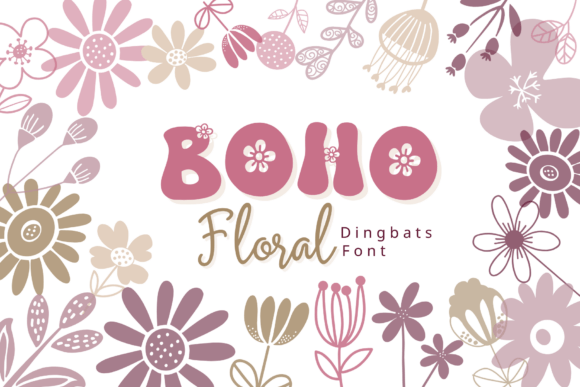
The visual identity of the Boho Floral font is defined by its adherence to the bohemian aesthetic—a style that celebrates nature, freedom, and artistic expression. The illustrations are not photorealistic; rather, they are stylized interpretations of flora that prioritize charm and whimsy over strict botanical accuracy.
The Hand-Drawn Appeal
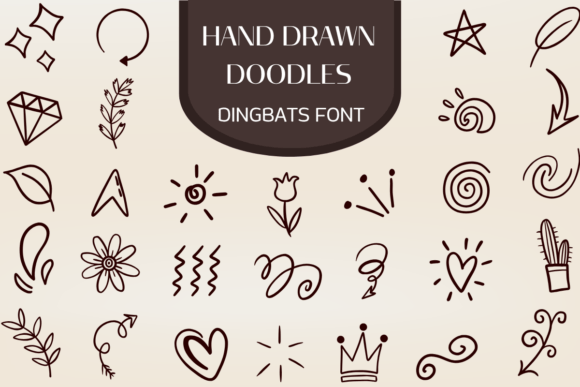
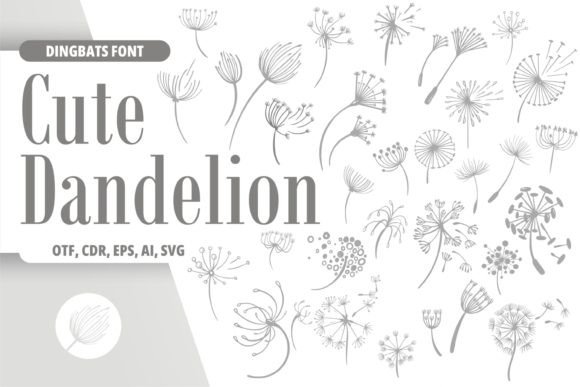
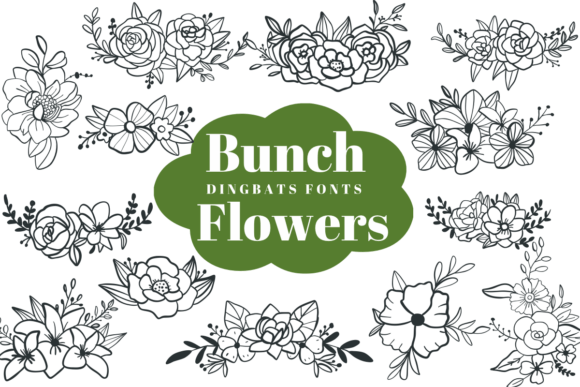
One of the most distinct features of this font set is its "hand-drawn" quality. The linework is intentionally imperfect, featuring slight variations in weight and curvature that mimic the look of pen-and-ink illustration. This characteristic is vital for creating designs that feel personal and artisanal rather than sterile or mass-produced. The illustrations encompass a wide range of botanical styles, including:
- Stylized Daisies: Simple, cheerful flowers often used as focal points.
- Blooming Buds: Tighter floral shapes that add density to a composition.
- Elegant Leaves and Stems: Elongated, organic lines that provide structure and flow, perfect for connecting other elements.
- Wildflower Clusters: Grouped elements that offer immediate visual impact.
The design philosophy behind these glyphs emphasizes "visual harmony." Even though each letter represents a different plant or flower, they share a consistent line weight and stylistic approach. This ensures that when multiple characters are used together, the result looks like a cohesive illustration rather than a disjointed collage of random images.
Practical Applications Across Industries
The versatility of the Boho Floral font extends across various professional and personal domains. Its ability to function as both a decorative element and a structural tool makes it a favorite among different user groups.
Stationery and Event Design
Perhaps the most popular application for floral dingbats is in the wedding industry. The font is ideal for creating wedding invitations, save-the-date cards, and RSVP sets. Designers can quickly build intricate floral borders around text blocks or create watercolor-style backgrounds by layering the glyphs. The "cozy, feminine aesthetic" of the font aligns perfectly with the romantic themes common in wedding stationery.
Branding and Logo Development
For businesses in the wellness, beauty, or artisanal food sectors, branding often requires a connection to nature. Boho Floral allows logo designers to integrate botanical motifs directly into typographic logos. A business name can be flanked by specific floral keystrokes to create a unique monogram or emblem. This approach offers a distinct advantage: the vector nature of the font ensures that the logo can be scaled to any size—from a business card to a storefront sign—without losing resolution.
Digital Content and Social Media
In the fast-paced world of social media marketing, visual distinctiveness is key. Content creators on platforms like Instagram and Pinterest use floral dingbats to create eye-catching graphics, story highlights, and post separators. The font works seamlessly in online design tools like Canva, making it accessible to social media managers who may not have advanced technical skills in graphic design software. By typing a number or letter, they can instantly add a decorative touch to a promotional post or a blog header.
Technical Considerations and Workflow Integration
While the Boho Floral font is designed for ease of use, there are specific considerations regarding its integration into professional workflows. Understanding these technical nuances ensures that the user can maximize the font's potential.
Color and Customization
Like any standard font, the color of the floral glyphs is determined by the font color setting in the design software. This allows for significant customization. A user can set the font color to a soft, earthy tone to match a bohemian palette, or use a vibrant hue for a more modern look. Some advanced users may even apply gradients to the text to simulate the look of watercolor or hand-painted botanicals.
Layering and Composition
Because the glyphs are vector-based, they can be manipulated in ways that raster images cannot. In software like Adobe Illustrator, users can convert the font to outlines (paths). This allows for advanced editing, such as removing specific parts of a flower, combining elements from different letters, or using the floral shapes as a clipping mask for photographs. This transforms the font from a static asset into a dynamic component of the design process.
The Role of Typography in Evoking Emotion
Typography is not merely about readability; it is about evoking a specific feeling. The Boho Floral font taps into the psychological association between nature and tranquility. In a digital age dominated by sharp edges and geometric precision, the organic, flowing lines of botanical dingbats offer a visual respite.
For educators and researchers in the field of design, studying assets like Boho Floral Dingbats provides insight into current trends regarding "digital naturalism." This trend involves bringing the textures and imperfections of the natural world into the digital interface. By using a font that mimics hand-drawn art, designers can bridge the gap between the screen and the tangible world, creating designs that feel warmer and more human.
Considerations for Selection and Usage
When selecting a floral dingbat font for a project, it is important to consider the complexity of the illustrations relative to the intended output size. Highly detailed botanical drawings may lose clarity when printed very small on a business card but will look stunning as a large poster background.
Furthermore, users should consider the variety of the glyph set. A comprehensive font like Boho Floral offers a full alphanumeric set, providing a broad library of options. This variety is crucial for avoiding repetition in large-scale designs, such as wrapping paper or full-page journal covers.
Ultimately, the Boho Floral font represents a convergence of convenience and artistry. It democratizes design by allowing users of all skill levels to incorporate professional-quality illustrations into their work. Whether used for a simple social media graphic or a complex wedding invitation suite, it serves as a testament to the enduring appeal of nature-inspired design in the digital era.