Dog Font: How Playful Typography is Reshaping Brand Strategy in a Digital World
In the contemporary landscape of digital marketing and brand identity, the battle for consumer attention is fought on the battlefield of emotion. As markets become saturated and algorithms grow more sophisticated, the distinct voice of a brand is no longer a luxury—it is a survival mechanism. Among the most potent tools in a designer's arsenal for establishing this voice is typography. While minimalist sans-serifs and authoritative serifs have dominated the corporate sphere for decades, a shift is occurring. There is a growing demand for typefaces that convey warmth, approachability, and personality. This is where Dog Font enters the conversation, not merely as a novelty, but as a strategic asset for creators and entrepreneurs looking to humanize their digital presence.
Understanding the Essence of Dog Font
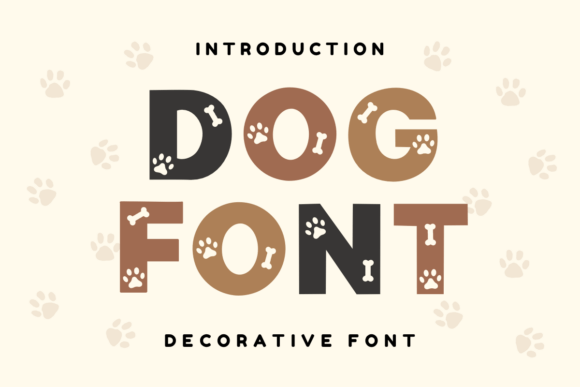
At its core, Dog Font is a decorative typeface that draws inspiration from the unconditional love and boundless energy of man’s best friend. However, to classify it simply as a "cute font" would be to underestimate its utility. The design philosophy behind Dog Font involves the integration of thematic elements—specifically adorable paw prints and bones—directly into the bold letterforms. This is not a standard serif or sans-serif; it is an illustrative typography that tells a story the moment a user glances at it.
The structural integrity of the font is designed to maintain legibility while sacrificing none of its playful charm. The boldness of the letters ensures visibility across various media, from digital screens to physical signage. For professionals in the pet care industry, this font is an obvious choice, but its application extends far beyond veterinary clinics and grooming parlors. It represents a broader trend in design where functionality meets whimsy, allowing brands to break down the sterile walls of corporate communication.
The Psychology of Playful Branding
Why are professionals and marketers paying such close attention to typefaces like Dog Font? The answer lies in the psychology of the modern consumer. Today’s audience is weary of aggressive marketing tactics and impersonal corporate facades. They crave authenticity and connection. This phenomenon has given rise to "human-centric design," a movement that prioritizes the emotional experience of the user.
Typography plays a critical role in this psychological contract. A font like Dog Font triggers an immediate emotional response associated with comfort, loyalty, and joy—traits universally associated with dogs. When an entrepreneur uses this typeface, they are leveraging a psychological shortcut to build trust. It signals to the customer that the brand is approachable, fun, and perhaps less concerned with rigid formality and more concerned with customer happiness. This is particularly relevant in the current "attention economy," where a split-second impression can determine whether a user stays on a landing page or bounces to a competitor.
Strategic Applications for Modern Creators
The versatility of Dog Font allows it to be deployed across a variety of creative and business scenarios. While its primary application is evident in the pet industry, forward-thinking designers are finding innovative ways to utilize its aesthetic in broader contexts. Here are several practical examples of how Dog Font can be integrated into professional workflows:
- Children’s Education and Entertainment: The bold, friendly nature of the font makes it ideal for educational materials, children’s books, and toy packaging. It reduces the intimidation factor often associated with reading for young learners.
- Community and Non-Profit Signage: For animal shelters, charity runs, or community centers, Dog Font provides a welcoming visual identity. It communicates inclusivity and warmth on physical signage and event banners.
- Dynamic Brand Identities: Entrepreneurs launching lifestyle brands focused on wellness or leisure can use Dog Font to create a "tail-wagging" logo that stands out against the sea of minimalist, black-and-white competitors.
- Social Media Engagement: In the realm of digital marketing, static text often fails to engage. Using a thematic font for headlines on Instagram or Pinterest can increase dwell time and engagement rates by adding a layer of visual interest that standard fonts lack.
Aligning with Market Trends: The Rise of Whimsy
The relevance of Dog Font is amplified when viewed through the lens of current design trends. We are witnessing a departure from the "Swiss Style" rigidity that defined the early 2010s. The current zeitgeist embraces maximalism, nostalgia, and illustration. This shift is driven by a desire to reclaim the joy in digital spaces that can often feel cold and algorithmic.
Furthermore, the gig economy and the rise of the "solopreneur" have changed the requirements of brand assets. Small business owners often lack the budget for extensive brand campaigns; they need assets that work hard immediately. A decorative typeface like Dog Font does the heavy lifting of brand personality. It doesn't just display a business name; it defines the business culture. For a dog walker, a pet bakery, or a children’s party planner, this font serves as a visual elevator pitch, instantly communicating the nature of the service without a single additional graphic.
Integrating Dog Font into Professional Workflows
For freelancers and graphic designers, the changing expectations of clients necessitate a robust library of thematic assets. Clients are increasingly asking for "brand vibes" rather than just logos. They want their digital presence to feel a certain way. Incorporating Dog Font into a design toolkit allows professionals to quickly mock up concepts that resonate with clients in the pet and lifestyle sectors.
From a technical standpoint, the font’s bold letterforms make it highly adaptable for responsive web design. Unlike thin, delicate fonts that may disappear on mobile devices or low-resolution screens, Dog Font retains its character and legibility across all viewports. This is crucial for accessibility and user experience (UX), ensuring that the playful tone of the brand is maintained whether the user is on a desktop monitor or a smartphone.
The Future of Thematic Typography
Looking ahead, the trajectory of design suggests that thematic typography will continue to gain traction. As AI-generated content becomes more prevalent, the human touch in design—elements that feel handcrafted, illustrative, and emotionally resonant—will become a premium commodity. Dog Font fits perfectly into this future. It represents a rejection of the generic in favor of the specific and the spirited.
Moreover, as the pet industry continues to expand globally, the need for specialized branding tools will grow. The "pet economy" is no longer a niche market; it is a multi-billion dollar industry driven by consumers who view their pets as family members. Brands serving this demographic must speak the language of love and care, and typography is the first sentence in that conversation.
Conclusion
In conclusion, Dog Font is more than a collection of letters adorned with paw prints; it is a strategic tool for emotional engagement. It addresses the changing needs of a market that values authenticity, warmth, and personality. For the professional creator, the savvy entrepreneur, or the dedicated marketer, understanding how to leverage such assets is key to building a brand that not only captures attention but wins hearts. By embracing the playful charm of Dog Font, creators can ensure their designs are not just seen, but felt—leaving a lasting, tail-wagging impression on their audience.